

 English
 Español
 русский
 Français
 Deutsch
 عربى
عربى italiano
-1.jpg)


Conteúdo
Solar air source water heaters are increasingly becoming a popular choice due to their energy efficiency and environmental benefits. Compared to traditional electric water heaters, solar air source water heaters offer significant advantages in terms of energy consumption, operating costs, and sustainability. This article explores the differences in energy efficiency between the two types of water heaters.
How Solar Air Source Water Heaters Work
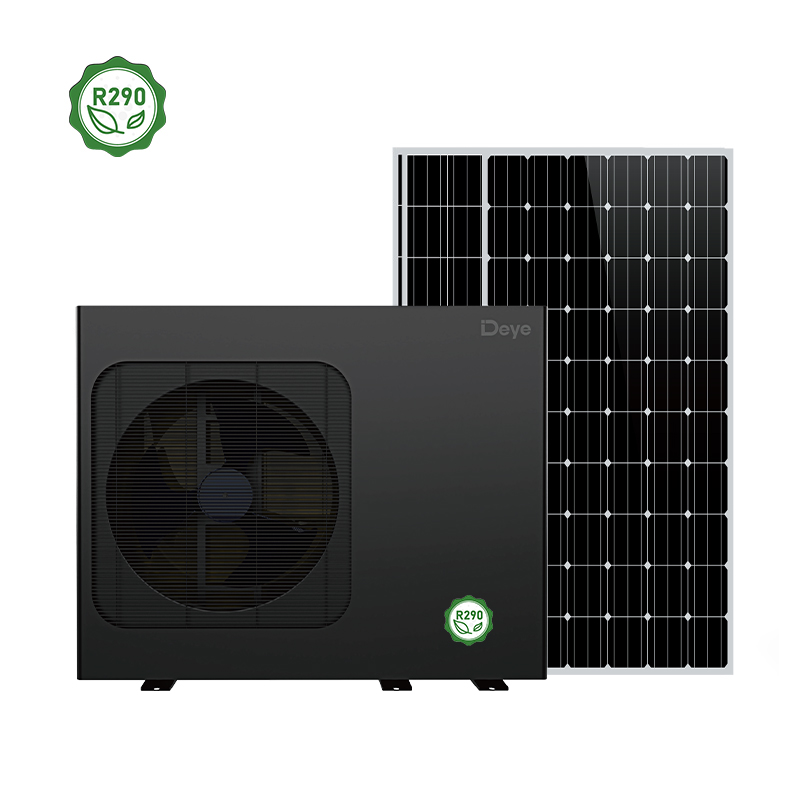
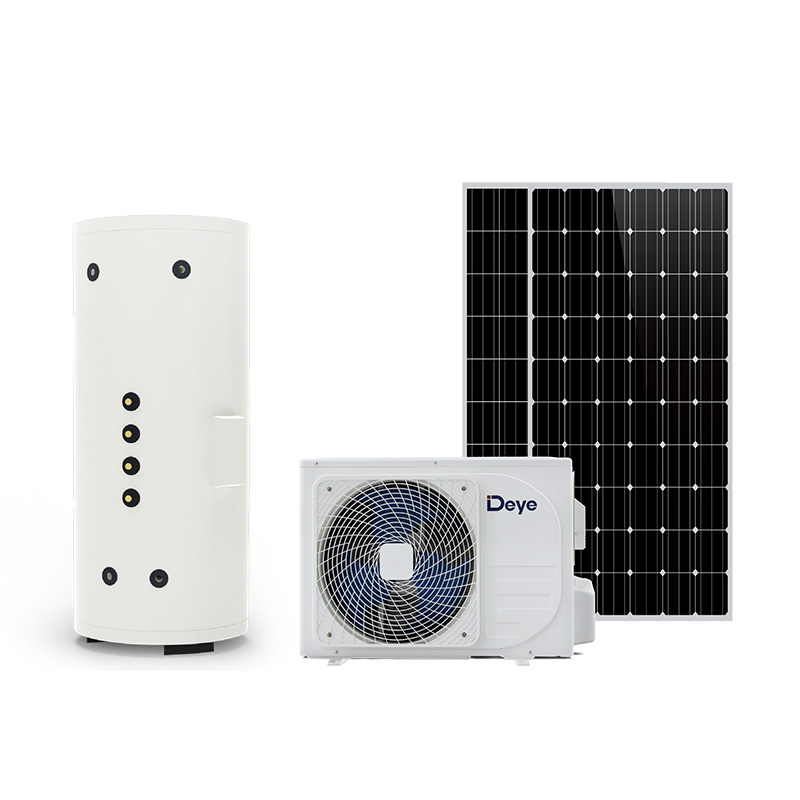
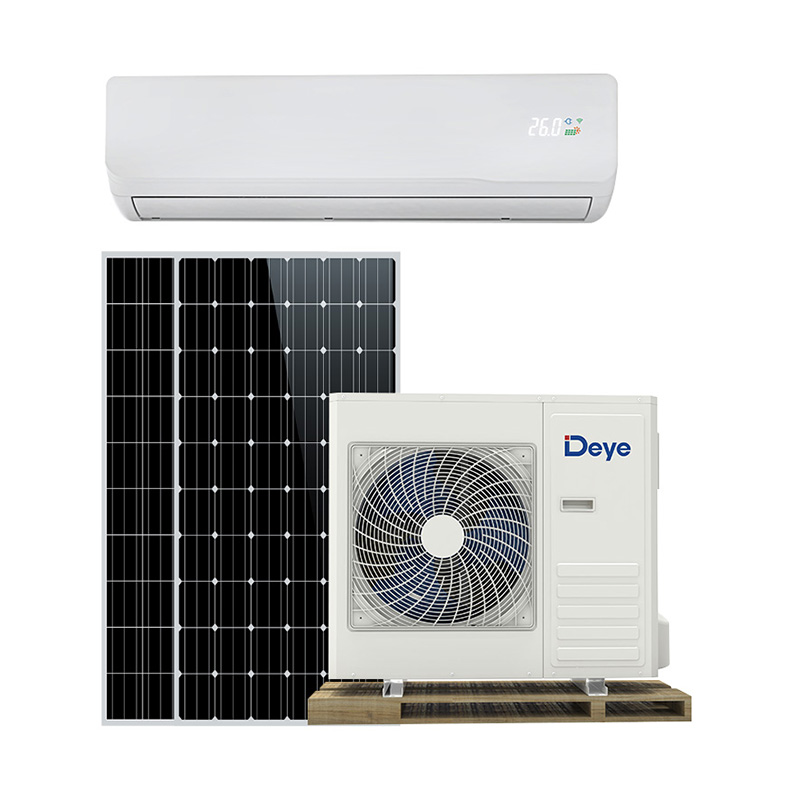
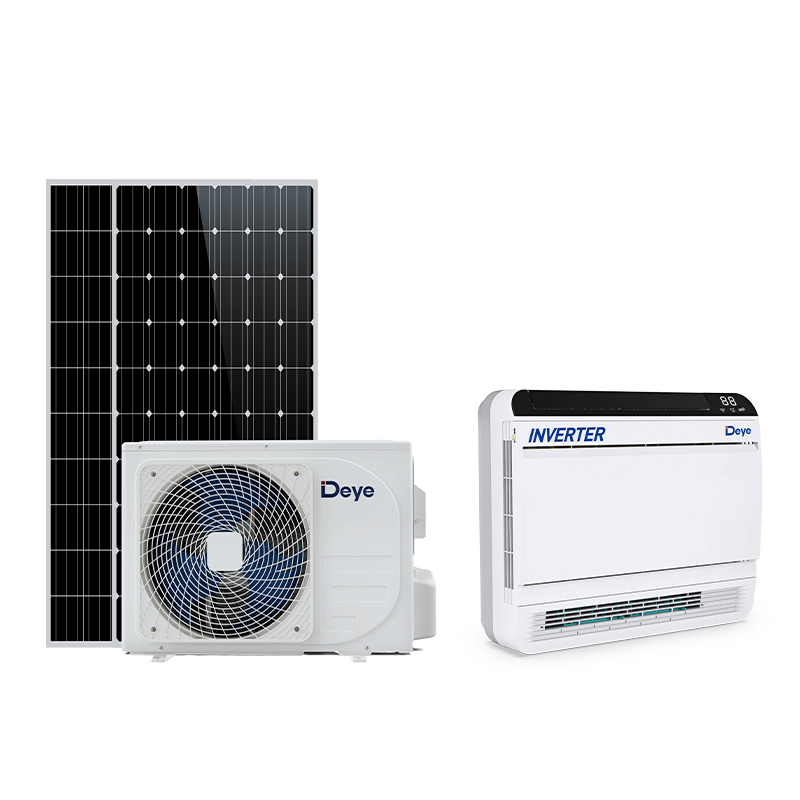
Solar air source water heaters use a combination of solar radiation and ambient air heat to warm water. The system employs a heat pump that extracts heat from the air and uses solar panels to gather solar energy, combining both sources to heat the water. This process allows the heater to provide hot water without relying entirely on electricity, offering greater energy efficiency compared to traditional electric water heaters.
Energy Consumption of Traditional Electric Water Heaters
Traditional electric water heaters rely on electrical power to heat water through resistive heating elements. The energy efficiency is relatively low because most of the electrical energy is converted into heat but also lost in the process. These heaters often require long heating times, leading to unnecessary energy waste. Additionally, in regions with high electricity costs, traditional electric water heaters can be expensive to operate.
Energy Efficiency Advantages of Solar Air Source Water Heaters
1. Highly Efficient Heat Pump Technology
The heat pump technology used in solar air source water heaters is far more efficient than that of traditional electric heaters. Heat pumps extract low-temperature heat from the air and raise it to an appropriate temperature for water heating. On average, a heat pump can deliver 3-4 units of heat for every 1 unit of electrical energy consumed. In contrast, traditional electric water heaters usually have an efficiency of just 1 unit of heat per 1 unit of electricity.
2. Solar Energy Complement
One of the main advantages of solar air source water heaters is their ability to use both solar energy and ambient air heat. During the day, when there is ample sunlight, the solar panels provide abundant energy. On cloudy days or at night, the air source heat pump continues to operate, ensuring a consistent supply of hot water. This dual-source system boosts energy efficiency and reduces reliance on electricity.
3. Reduced Power Consumption and Carbon Emissions
By utilizing renewable energy sources (solar energy and ambient air heat), solar air source water heaters reduce dependency on fossil fuels, thereby lowering electricity consumption and carbon emissions. Traditional electric heaters, on the other hand, generate more carbon footprints, particularly in regions where the power grid relies on coal or natural gas for generation.
4. Long-Term Savings on Operating Costs
Although the initial investment in a solar air source water heater is relatively high, the long-term operating costs are much lower compared to traditional electric water heaters. The combination of solar panels and heat pump technology enables these heaters to minimize electricity consumption, leading to significant savings on energy bills over time.
5. Versatility in Various Environmental Conditions
Traditional electric water heaters may experience a decrease in heating efficiency in colder climates, but solar air source water heaters can efficiently extract heat from the air even in low temperatures. This ability ensures a reliable hot water supply, making solar air source water heaters suitable for areas with significant temperature variations.
Comprehensive Comparison of Solar Air Source and Traditional Electric Water Heaters
| Feature | Solar Air Source Water Heater | Traditional Electric Water Heater |
| Efficiency | 3-4 units of heat for every 1 unit of electricity | 1 unit of heat for every 1 unit of electricity |
| Energy Sources | Solar energy + Air source heat pump | Electricity only |
| Operating Costs | Low, significant energy savings | High, continuous electricity consumption |
| Initial Investment | Higher | Lower |
| Environmental Impact | Reduced carbon emissions, eco-friendly | Higher carbon footprint |
